Home / News / humaneco /
Smoke signals, carrier pigeons, newsboys on street corners. When communication needed physical means to travel, the paths messages took were the most creative, tangible, and compelling imaginable.
Matter, throughout the evolution of History, has been a leading communicator — useful not only for craftsmanship, architecture, and art, but a true social, economic, and political instrument of dissemination, with its own body and a clear voice.
The values conveyed by matter over the centuries reflect the evolution of peoples, from the hierarchical power of empires to today’s ecological responsibility
Ever-changing and eclectic, matter has crossed time changing its attire thousands upon thousands of times, transforming itself, hiding, disguising itself.
Yet in everything it inhabits, it preserves the same promise: to declare, without hesitation, the plain truth.
Origin
Marble, silk, porcelain, mirrors. Egyptian red, ultramarine blue, gold leaf. Matter has been, and still is, an unmistakable chromatic, visual, and tactile alphabet. The meaning of every material and color has always been truthful, clear, and accessible to all.
Empires used it to determine who deserved life after death and what the quality of eternal days should be for those allowed to inhabit the afterlife. Egyptian porphyry in Ancient Rome, white jade in the Han dynasty, obsidian for the Aztecs: materials that sanctioned the passage of earthly divinities
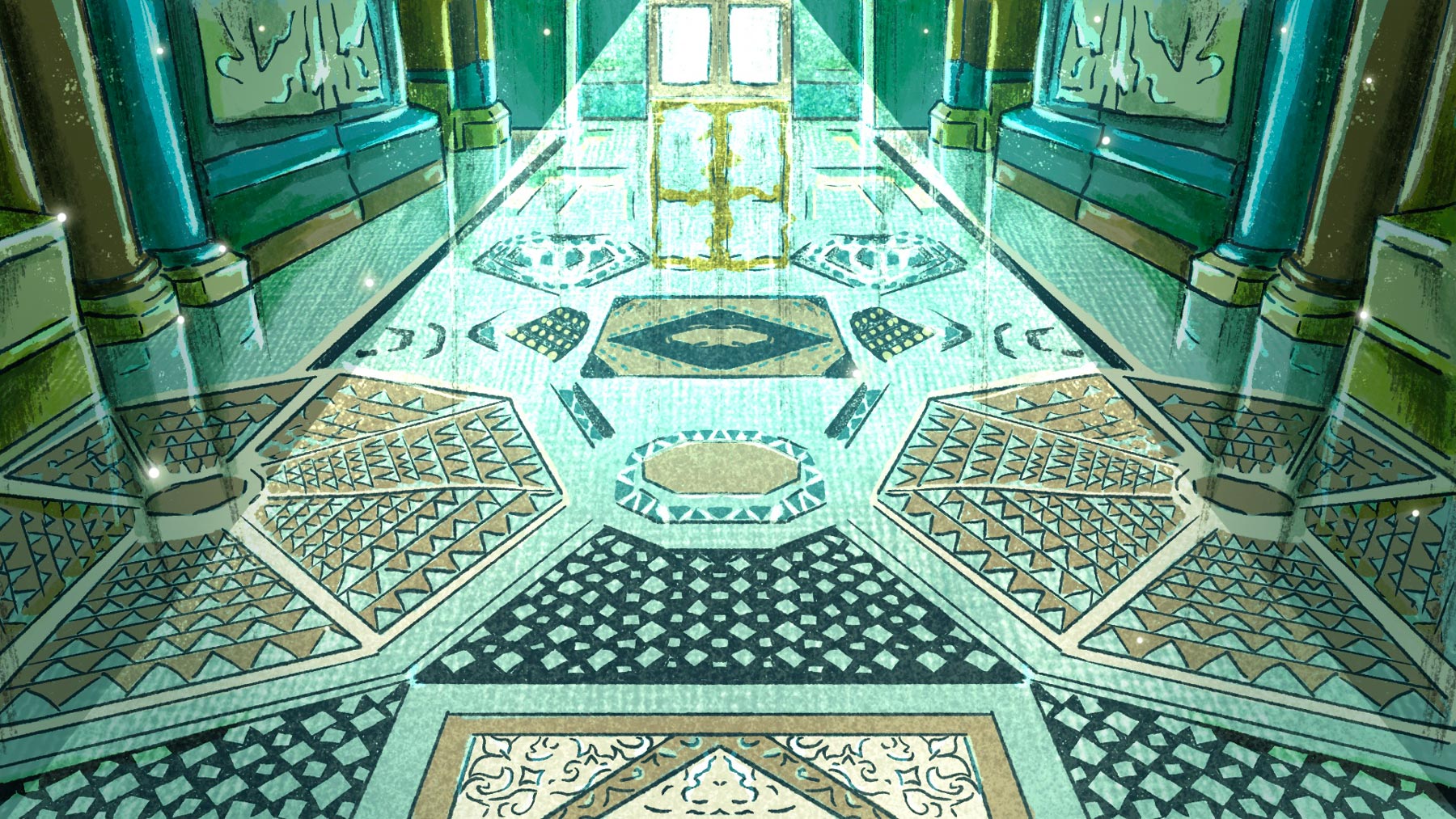
To proclaim the economic and political power of the Serenissima, the Doge of Venice devoted the lateral façade of Saint Mark’s Basilica to it: polychrome marbles from distant lands firmly testified to his commercial conquests.
During the Renaissance, colors and fabrics drew the line between nobility and commoners, the clear divide between those who could wear purple silk and those destined instead for coarse pastoral wool. Ultramarine blue, arriving from so far away — beyond all the seas — proclaimed the wealth of a husband or a bride-to-be.
The meaning of matter was opulence, power, excess. It defined class and status: excluding those who could not afford it was its function, its ruthless yet sincere message.
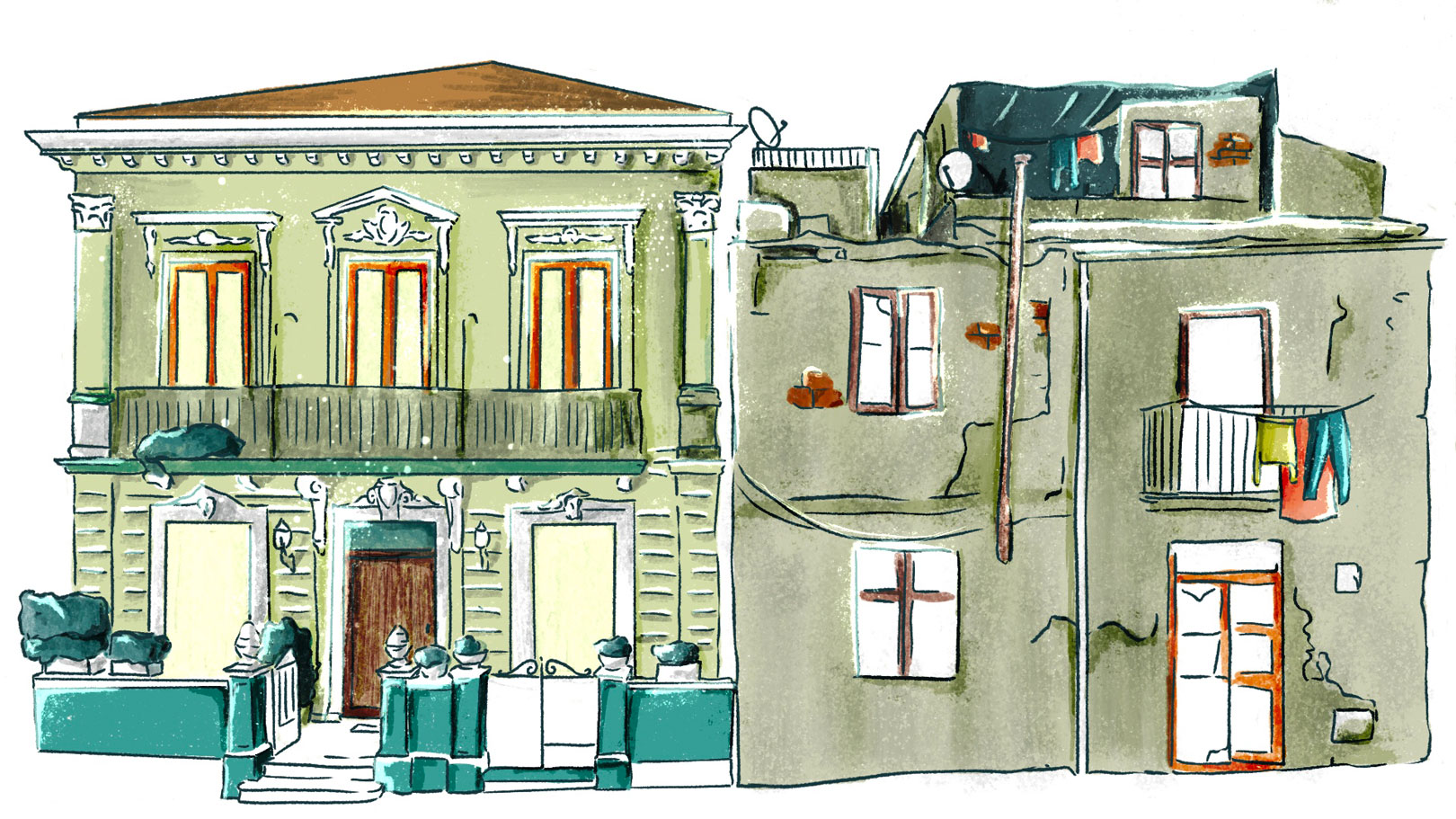
The mass urbanization of the nineteenth century led entire rural populations to migrate into cities, into buildings of iron and brick. To preserve a connection with nature, material objects began to appear as reminders of countryside origins: terracotta pots for laurel and rosemary, wooden utensils, raw ceramics, and cotton and linen fibers at the windows.
The modernity of the twentieth century transformed both the forms and intentions of matter. Germany’s revolutionary Bauhaus promoted functionality, order, and cleanliness through skyscrapers of concrete, steel, and glass. For the entire population, without distinction of class, origin, or education. Architecture and design communicated, through matter, the values of a new enlightened society: transparency, well-being, and democracy.
Nostalgia
The idea that matter can be detached from nature, replicated infinitely and at low cost, is the ambitious utopia the digital age is leaving as its legacy. Imitations, illusory metamorphoses, and virtual reproductions are the attempts to reinvent matter through synthetic technologies.
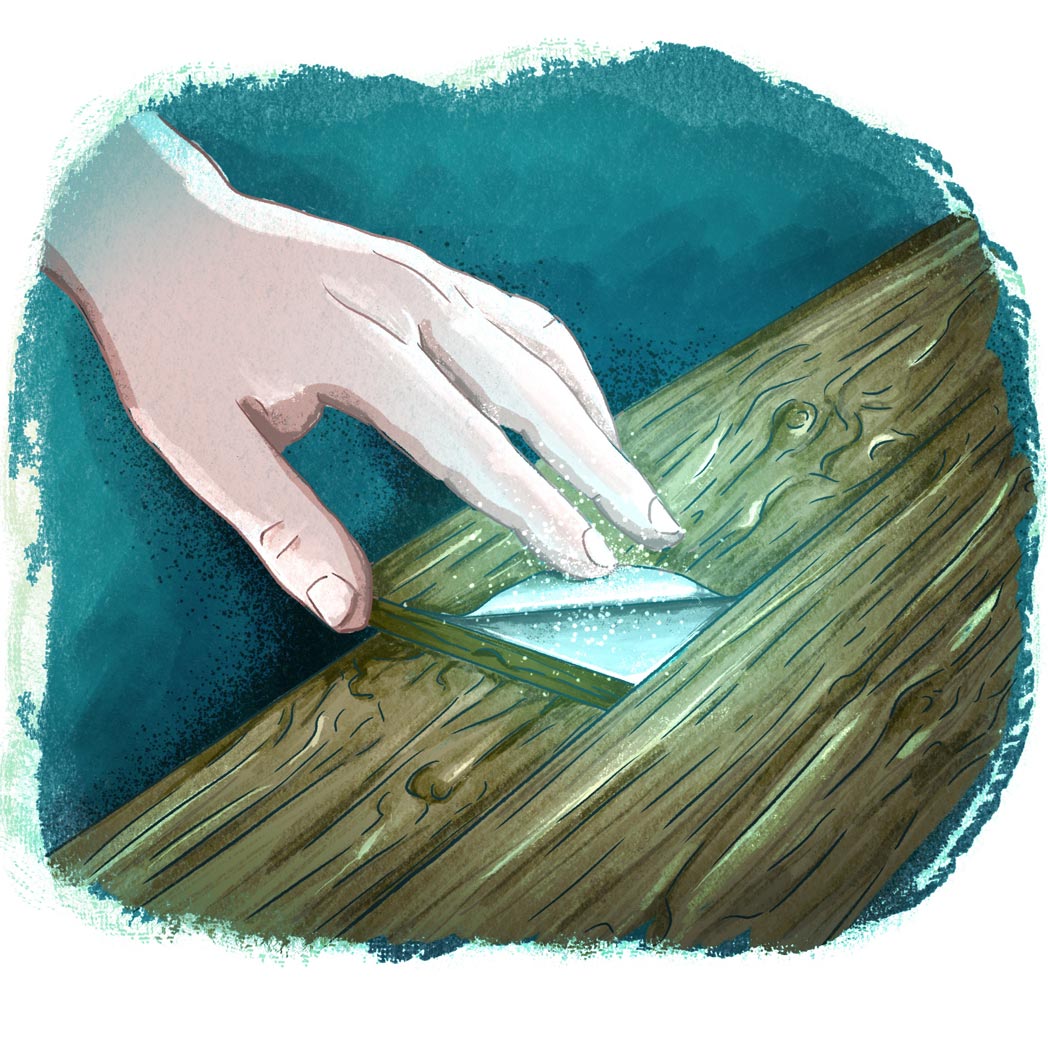
In trying to artificially dominate truth, we have conveyed — in the naïveté of our ingenuity — the most important global message of all: do not believe it.
Deprived of the consistency, weight, and imperfections of real materials, we have experienced a kind of sensory anesthesia, confined within boundless environments devoid of soul and memory.
Matter is, and always will be.
The illusion surrounding us has awakened within us a profound nostalgia for what is real, authentic — for what can be touched by hand, the same apostolic need as Saint Thomas.
To believe again, we need touch.
The purity of matter, and the necessity of preserving it, are today’s new creative and revolutionary force.
Responsibility
The message conveyed by matter for millennia is today profoundly different, if not entirely opposite. The urgency is no longer exclusivity, but rather its contrary: inclusivity. Architecture and design are now asked to embody shared values such as accessibility, inclusion, and sustainability.
The value of a material is measured by the degree of respect shown toward it — a responsibility we bear as inhabitants of this Earth.
Returning to Her, to our Earth, rediscovering the dignity and richness of its resources, is a cultural achievement. Today’s true luxury is ethics: matter no longer needs to flaunt itself, shout, or astonish. Instead, it must continue to promise, again and again, the plainest and most sincere of truths.
To inhabit.
Future
If the present is the time of responsibility, the future will be the space of coherence. A future that has already begun to reveal a need for radical truth, almost visceral. The era of “effects,” of synthetic materials imitating the grain of wood or the depth of marble, is giving way to a new purity of intention.
Contemporary design demands a return to authenticity, the proud and unadorned celebration of the real qualities of matter, embracing its weight, its original porosity, its unique way of aging, and its genuine imperfections. Matter will once again become only itself, the bearer of a structural honesty that needs no metamorphosis to assert its value.
Designing an authentic space requires a reordering of the gaze, so that a sincere dialogue may exist between the elements of a place — a coherent and value-driven narrative for the eyes, and for the heart, of those who will inhabit that space every day. Franco Perrotti’s exhibition From Object to Vision at Fuorisalone demonstrated this to us: design is the grammar of the senses, capable of transforming technical elements, such as flooring panels, into a living ground of hospitality, art, and memory.
The noblest commitment of tomorrow’s architecture is to restore identity to the matter upon which our steps rest. The promise to uphold remains the same: to be so true and sincere as to bear, without filters and without masks, the full weight of tomorrow.
Matter is | Umaneco by Nesite ©All rights reserved
Texts by Chiara Foffano – Illustrations by Ariele Pirona
 Megiston