X
X
X
X
X

All projects

Commercial

Directional centers

Data Center

Museums

Green

Turnkey

X

Product

Year

Materials

X

Product

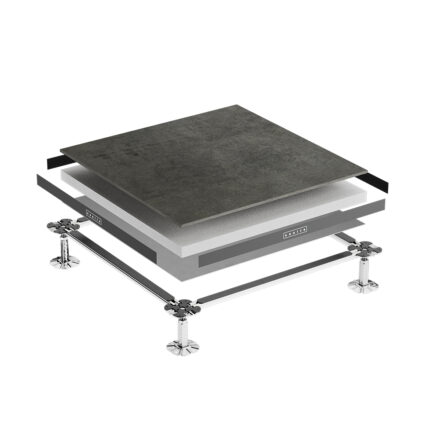
Ceramic stoneware
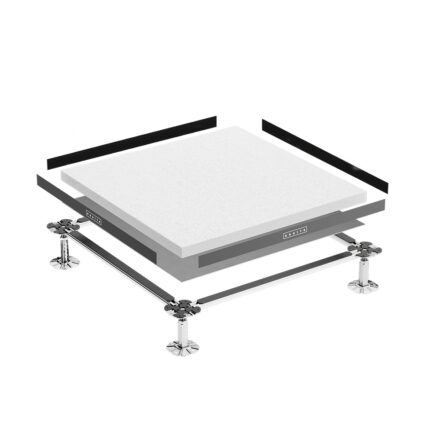
Calcium Sulphate
Labfloor

Application

Interno

Location

Norcia

Contractor

Taddei Engineering

Design

Arch. Annibali Sandro

Total Area

1.000m2

Year

2026

Home / Projects / Commercial / Hospital Norcia
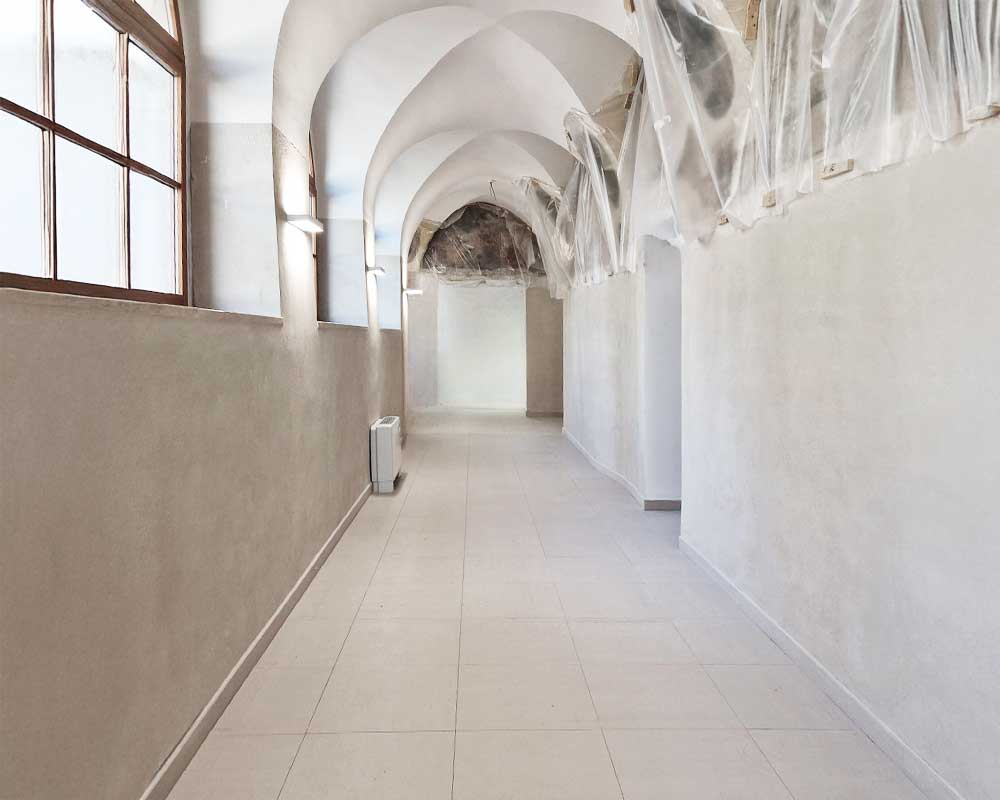
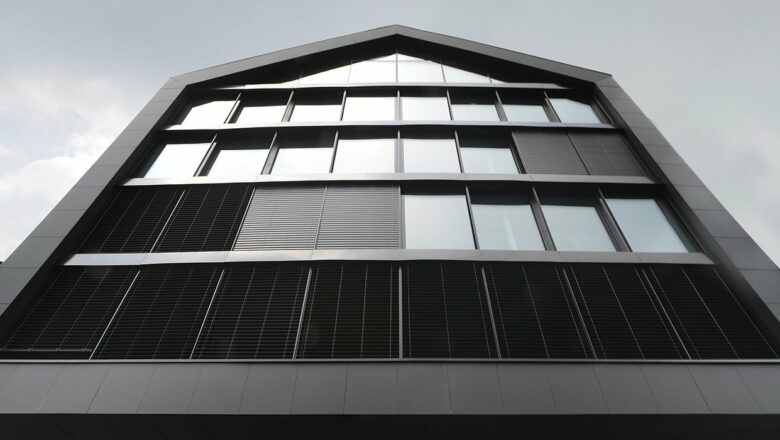
Restoration and repurposing of the former Convent of Santissima Annunziata (15th century)

in the delicate conservation restoration of the Norcia Hospital, a project that returns a listed historic complex to the community, converted into a contemporary healthcare facility.

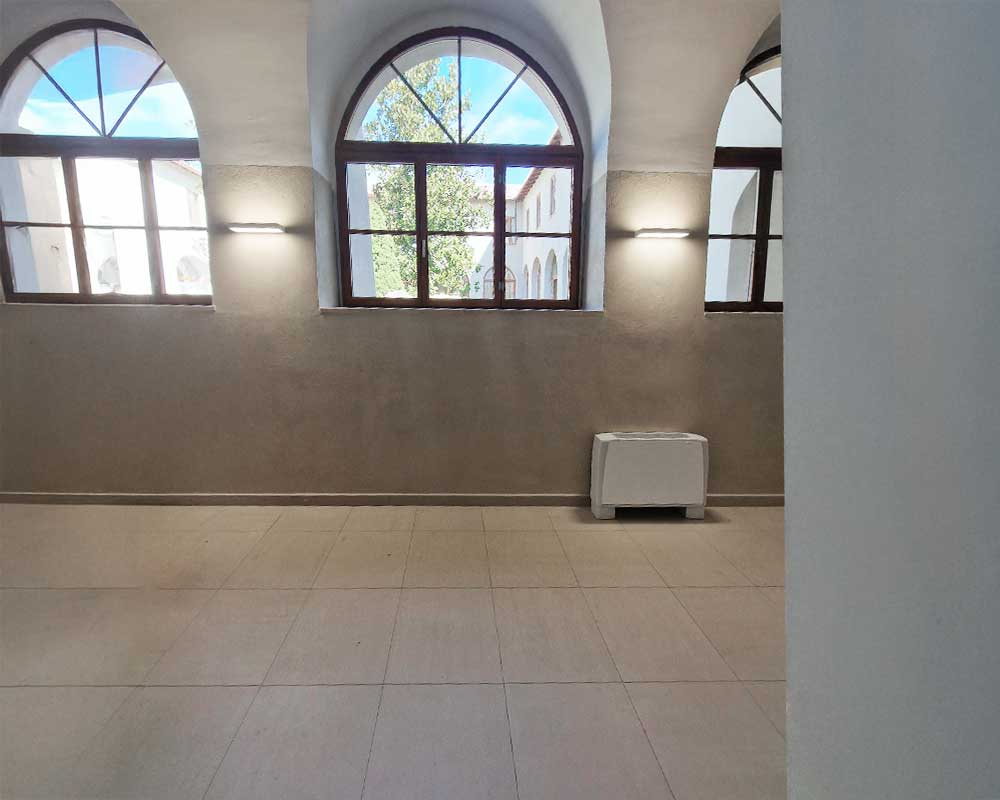
The project interprets the historic architecture as the active framework for the new functional layout, in which the language of healthcare is respectfully integrated into the existing fabric. An example of mindful regeneration, where historic architecture continues to live on through new uses, without losing its identity.

the project

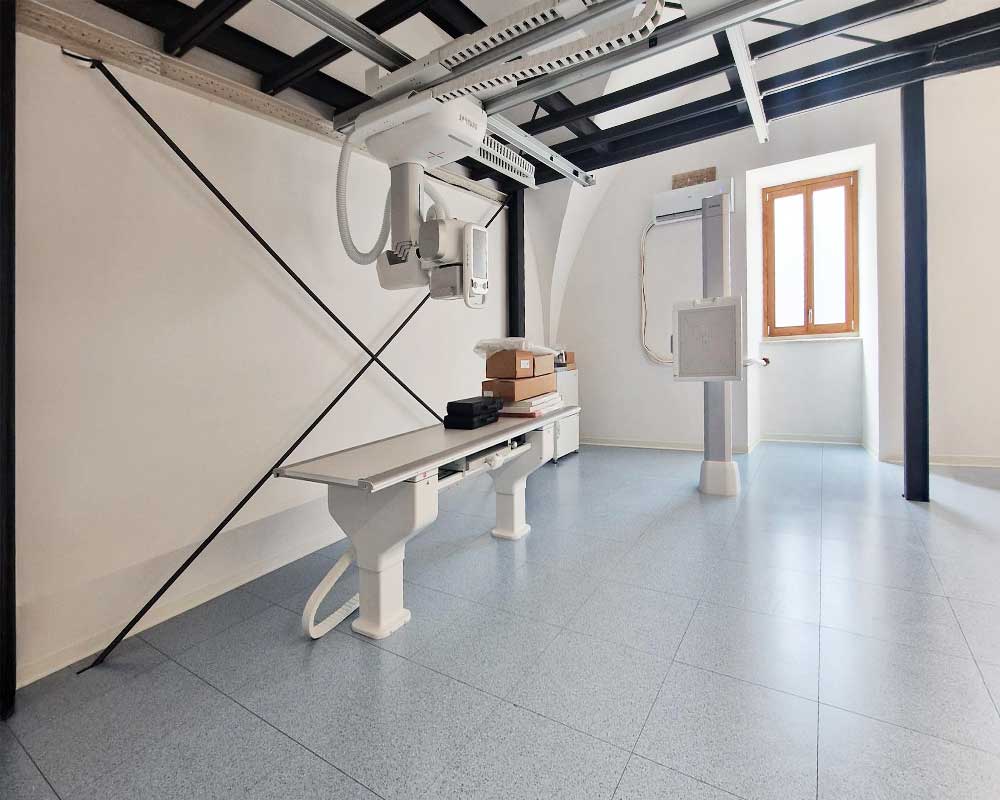
The conversion of the former convent into a hospital involved a complete reorganisation of the spaces, aimed at bringing the building into line with contemporary regulatory requirements in terms of hygiene and sanitation, fire safety and accreditation.

The new project, accommodates 22 beds distributed across inpatient, dialysis and day hospital wards, organised according to a layout that prioritises clear circulation routes, functional separation and safety.

The project takes shape through three main design areas:

01. Structural and seismic upgrading, through the lightening of roof structures, consolidation of masonry using bonding injections, and the removal of incongruous elements;

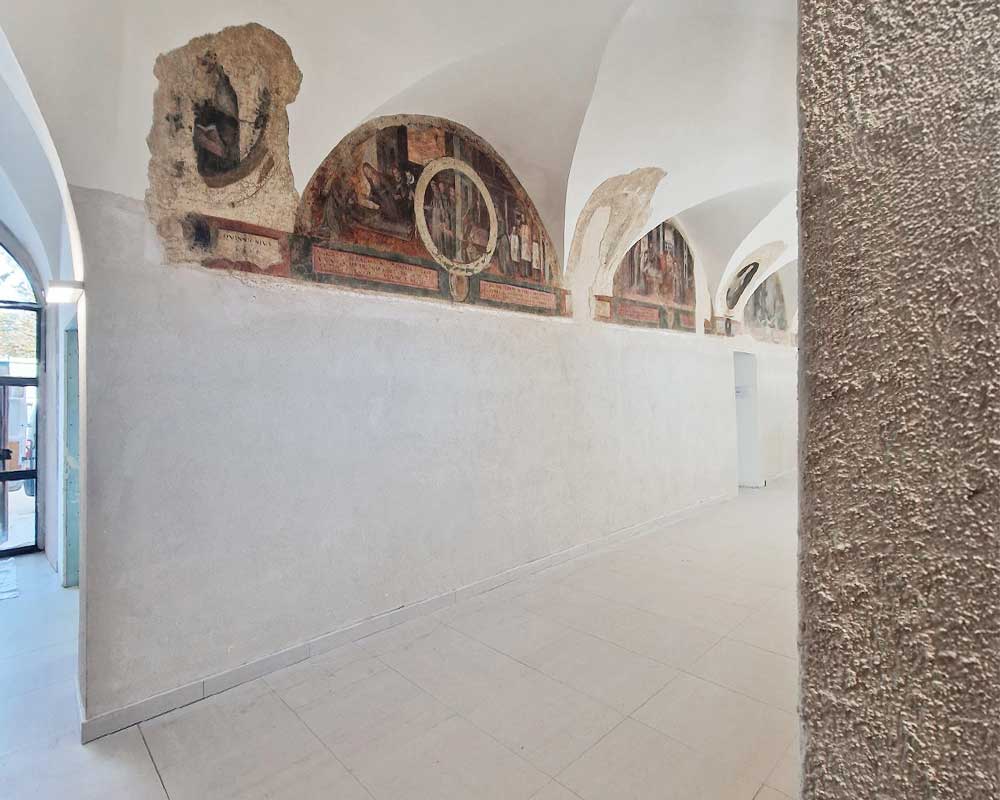
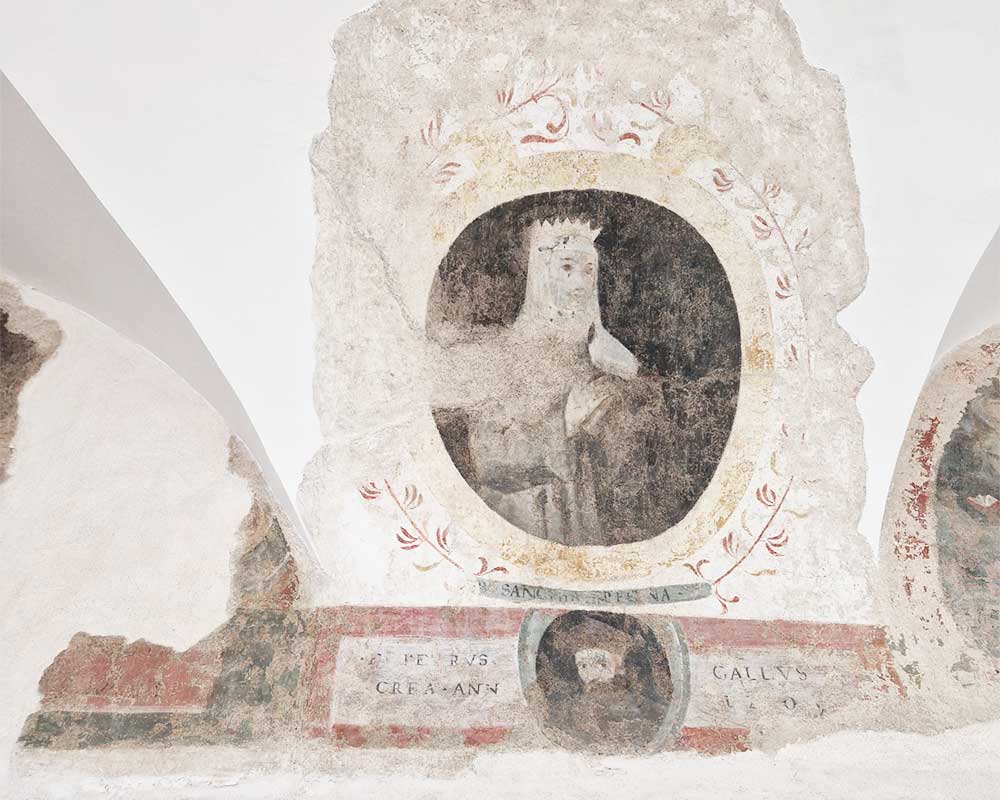
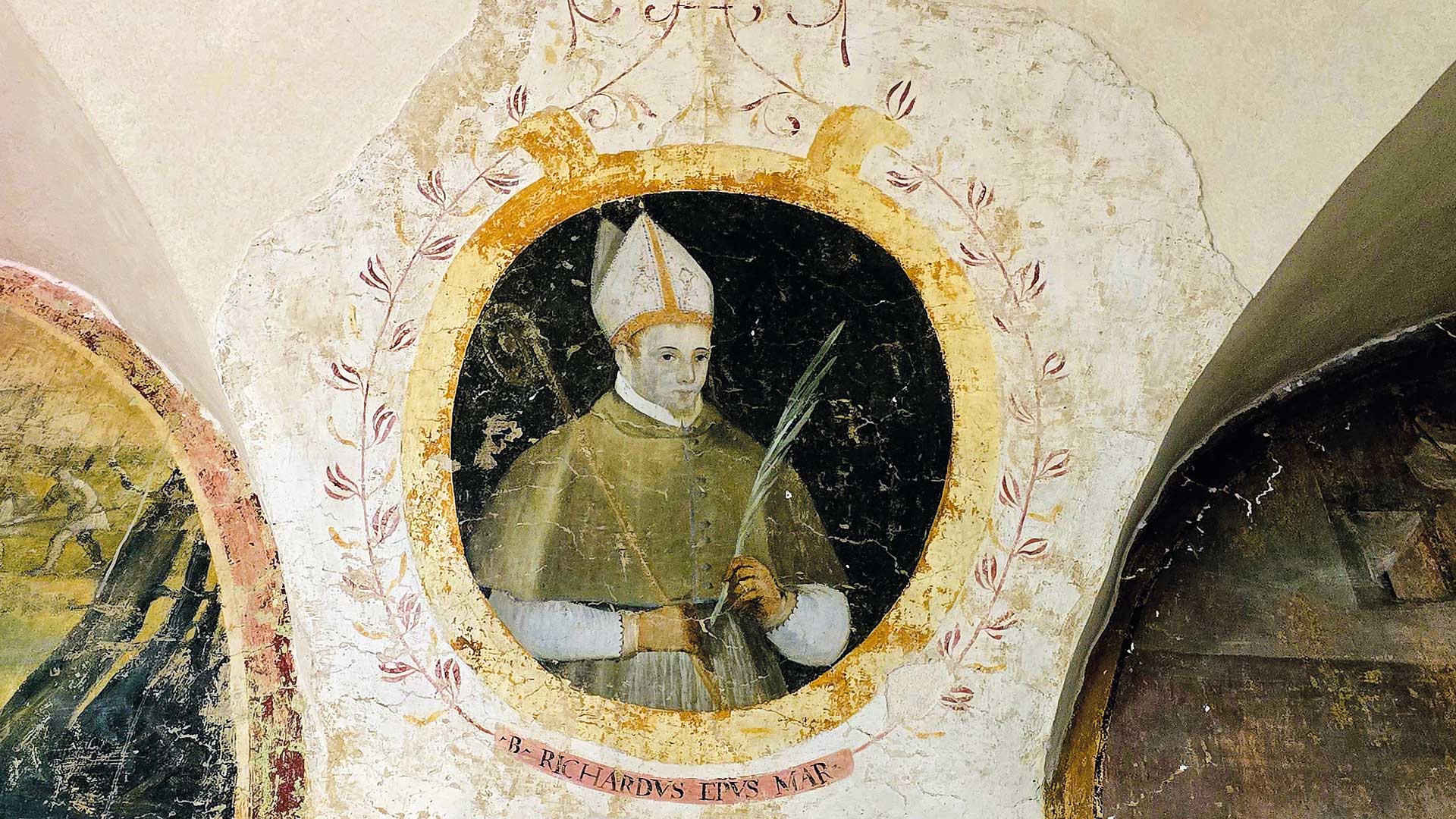
02. Conservation restoration, protecting decorative and pictorial elements, including the 16th-century frescoes in the former refectory and the 17th-century lunettes in the Chiostro Grande;

03. Functional reorganisation, aimed at introducing new vertical connections, separate and h d spaces meeting high hygiene and health standardsroutes, and , without altering the historic appearance of the building envelope.

why the raised floor

Within a context subject to conservation restrictions, the building services design takes on a strategic role.
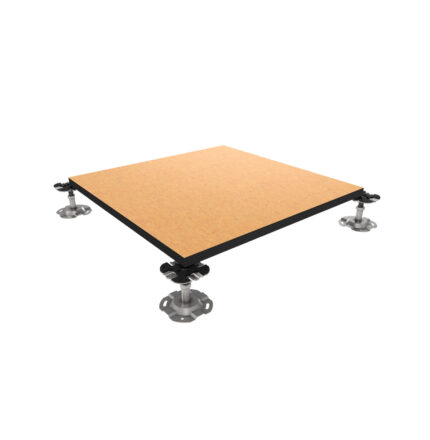
The adoption of the Nesite raised floor is a system technical and architectural capable of mediating between contemporary needs and the preservation of the built heritage.

The void created by the system has enabled:

// the integrated distribution of services without interfering with the historic masonry, preserving its material integrity;

// the levelling of floors, overcoming existing differences in height and ensuring continuity and accessibility;

// control of microclimatic conditions, promoting ventilation and helping to mitigate rising damp.

The floor thus takes the form of a fully reversible technical infrastructure, capable of adapting over time to the functional evolution of the project.

SUPPLY DETAILS

The supply included approximately 1,000 m² of high-density calcium sulphate panels, a non-combustible material that guarantees stability, acoustic comfort and resistance to foot traffic.

The finishes were selected according to the various functional requirements:

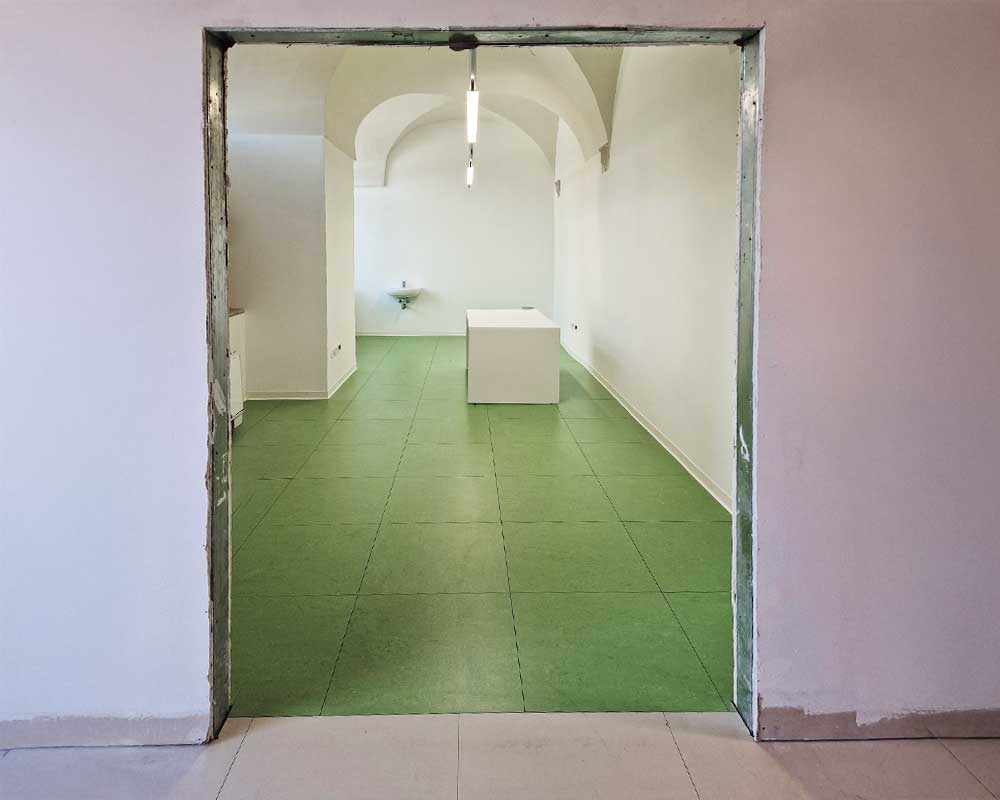
// Vinyl for healthcare areas,Labfloor integrated with the sealed system , to ensure continuous, sanitiseable surfaces that comply with hospital requirements;

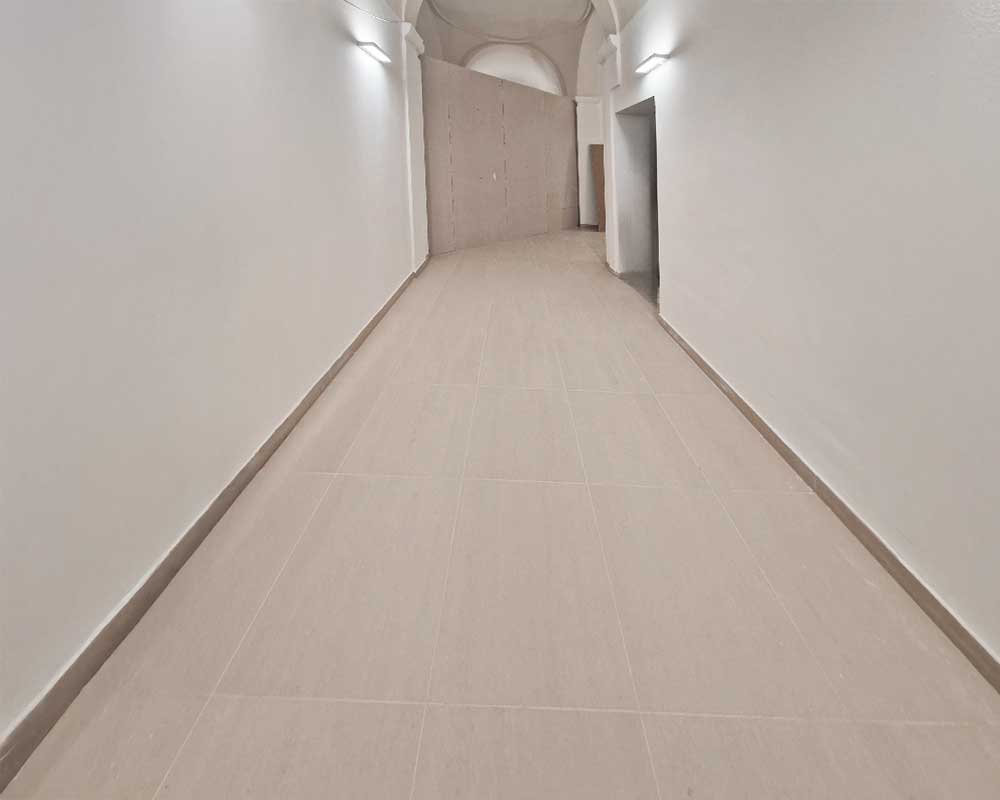
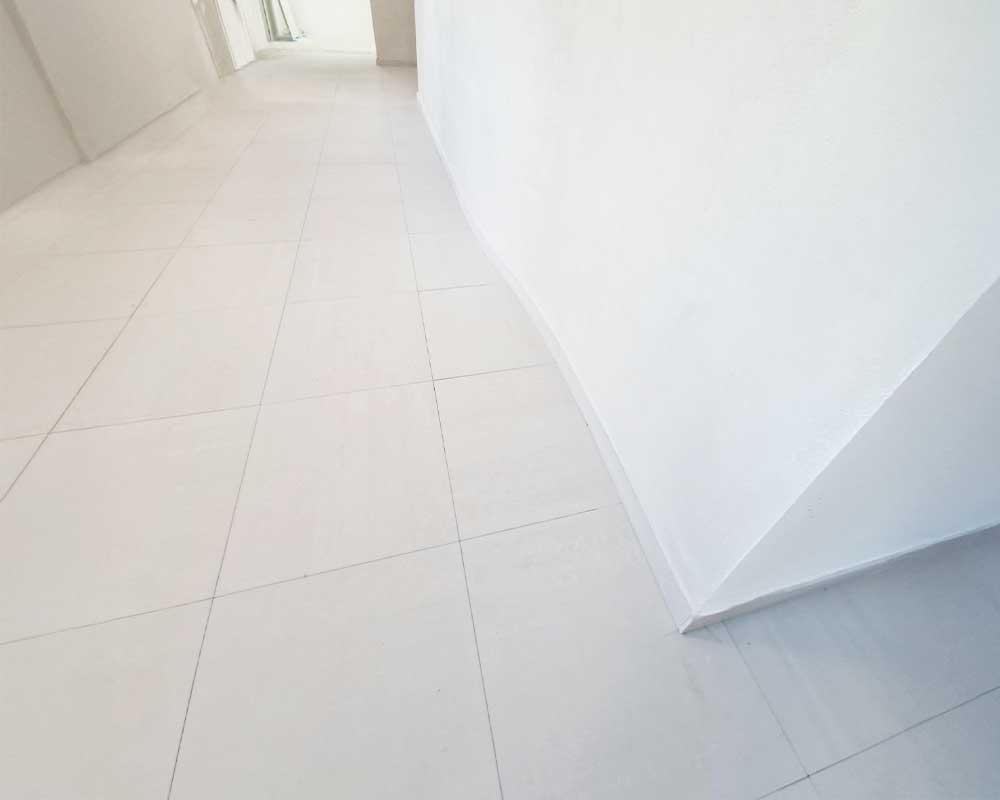
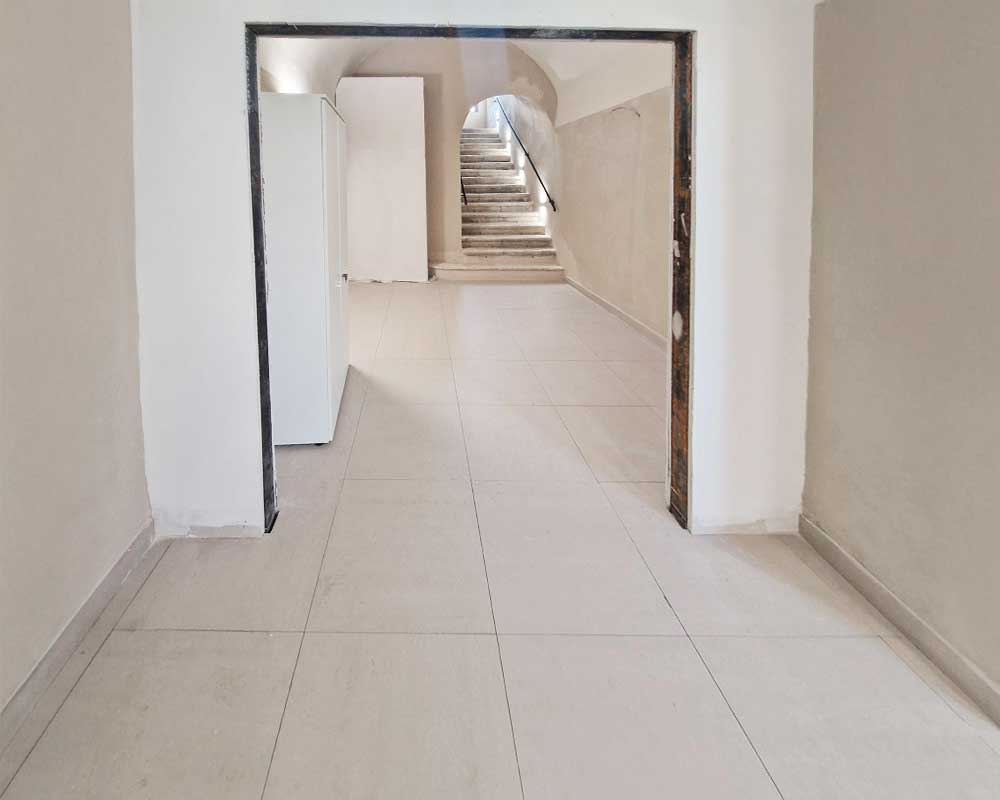
// Travertine-effect stoneware for the ‘ ’ areas that complete the spatial system, in harmony with the stone texture of the historic architecture and the external pathways.

A project in which technique and memory work together, giving shape to a space capable of welcoming people and standing the test of time.

For a broader understanding of the project, which explores the role of art and beauty in healthcare settings, you can read the article by Umaneco.

Other
projects

All Projects

Design. Develop. Done. by Megiston - Agenzia web e digital marketing a Padova e VicenzaMegiston
This site is protected by reCAPTCHA and the Google Privacy Policy and Terms of Service apply.

Are You Interested?

Write To Us.