Product
Ceramic stoneware
MPH
Calcium Sulphate
Application
Interno
Location
Baku (Azerbaigian)
Contractor
PMD Projects
Design
Simmetrico
Total Area
4.500m2
Year
2025
Home / Projects / Museums / Victory Museum
The Nesite raised flooring system at the Victory Museum in Baku—an architecture rich in symbolic meaning—was conceived to transform the memory of the 44-day “Patriotic War” victory into a living, shared spatial experience. An identity-driven architecture that goes beyond celebrating a historical event, translating it into emotion and vision, and projecting collective memory toward the future.
THE PROJECT
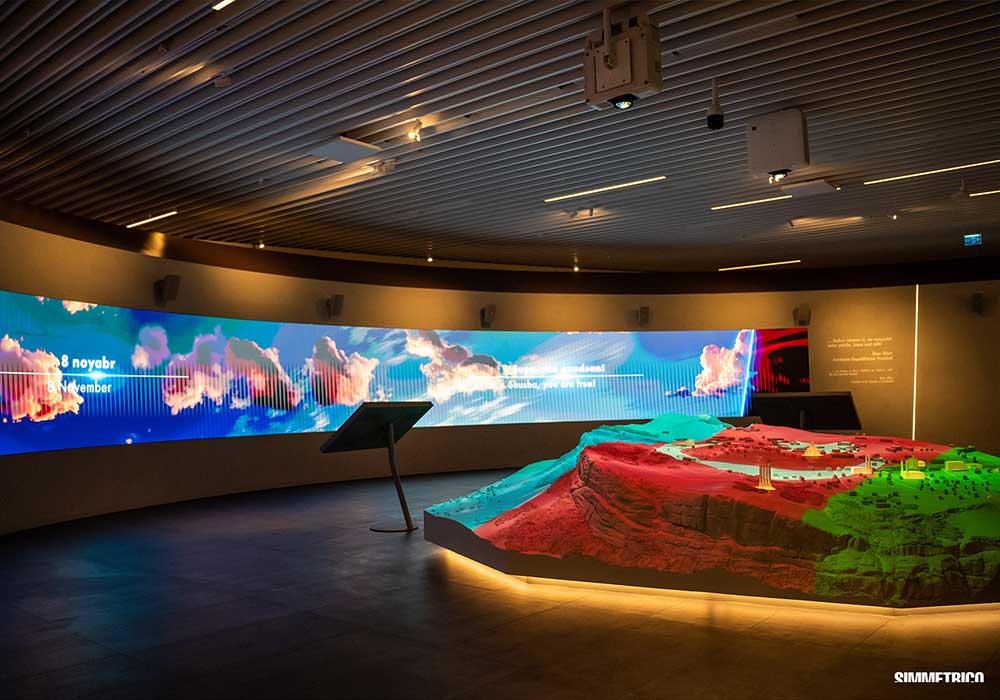
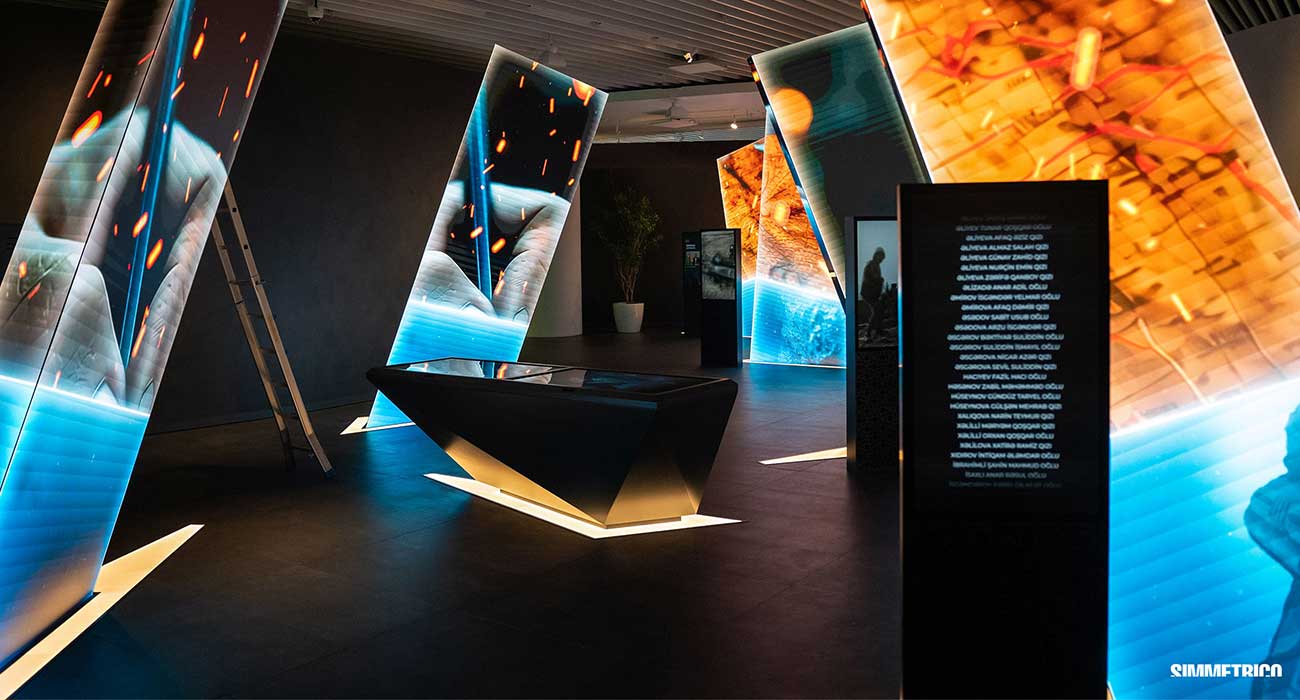
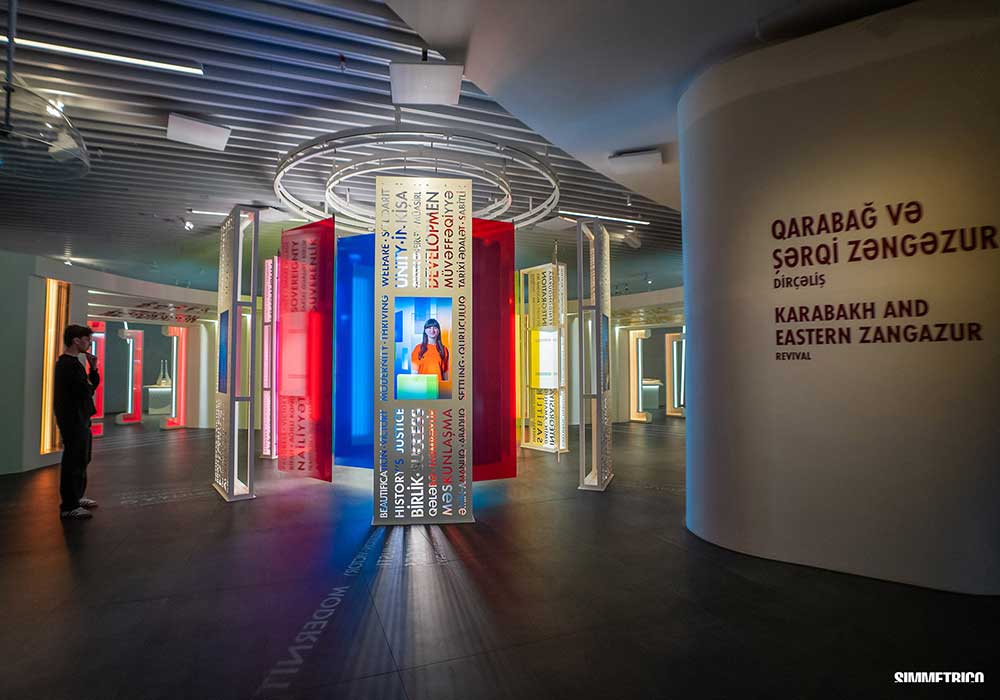
Developed by Simmetrico, the Victory Museum in Baku interprets the historical narrative through a contemporary and immersive language, where space itself becomes a storytelling tool.
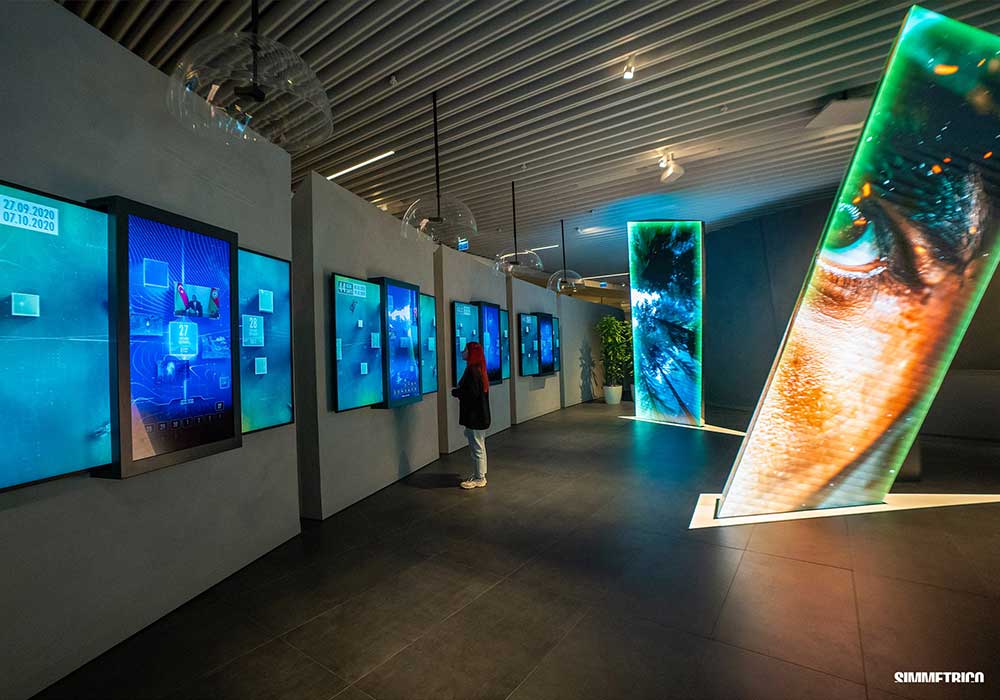
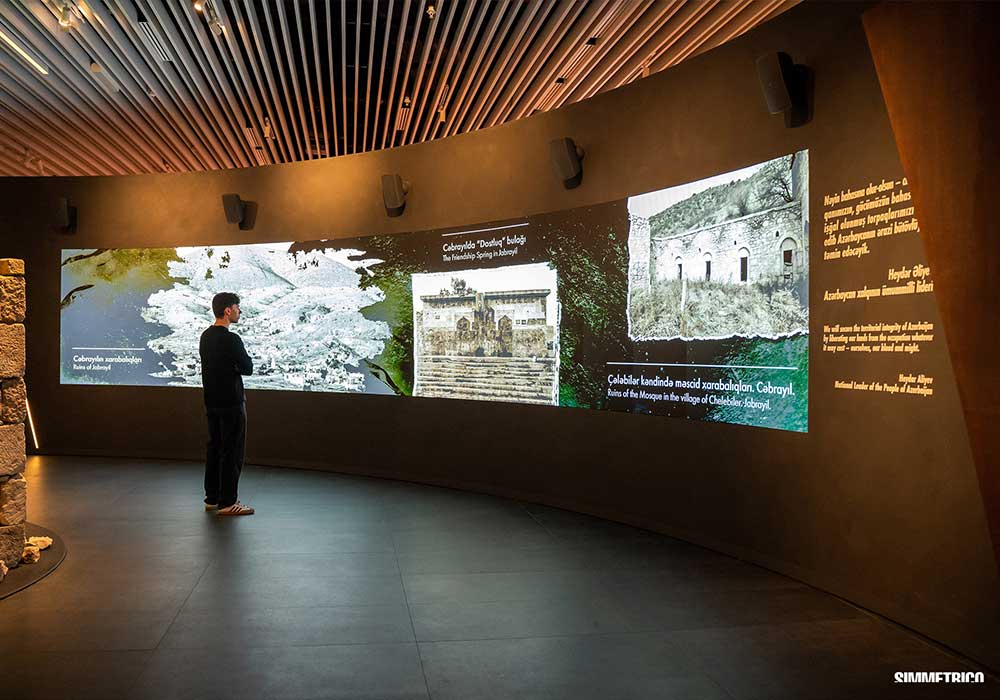
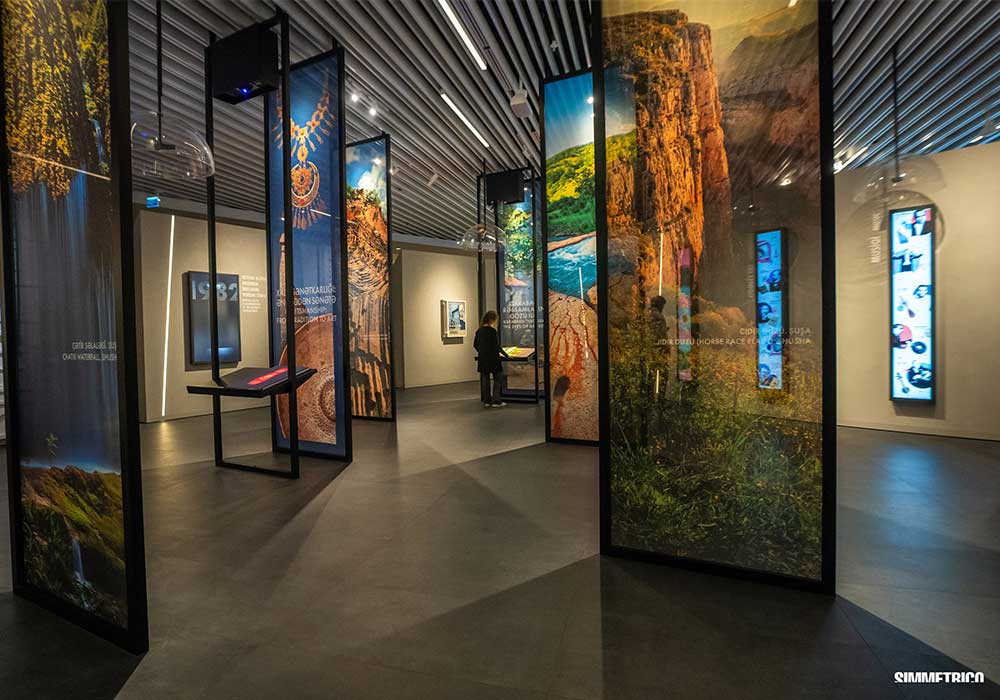
Here, architecture is not merely a container but an active part of the visitor journey: it guides movement, directs the gaze, and shapes the experience through spatial sequences, changes in scale, and carefully calibrated atmospheres. Light, materials, and technology work together to build a collective narrative in which the boundary between the built environment and the exhibition content gradually dissolves.
The entire design concept is structured around three founding values — Victory | Memory | Rebirth — which guide the architectural, exhibition, and technological choices, defining a museum that celebrates the past while opening itself to a forward-looking vision of the future.
The Victory Museum in Baku thus takes shape as a place of active memory and collective reflection: a space that pays tribute to the courage, sacrifice, and resilience of the Azerbaijani nation, transforming memory into a shared experience that speaks to the present and opens toward a perspective of rebirth.
The construction of the project, entrusted to PMD Projects, required careful coordination of the various construction phases and specialized works, ensuring coherence between the design vision and its execution.
WHY THE RAISED FLOOR
Complex geometries, curved surfaces, and irregular layouts define the highly expressive environments of the museum, designed to accommodate multimedia installations and immersive, high-tech systems. In this context, construction choices also take on a strong design and narrative value.
Specifically, the integration of a raised floor system responds to functional requirements while fitting coherently within the logic of a layered and flexible architecture—capable of supporting the complexity of the exhibition without compromising formal clarity.
The flooring system allows for the discreet integration and management of technological and multimedia installations—central elements of the museum experience—while ensuring aesthetic continuity, execution precision, and long-term adaptability. A concealed yet essential solution that enables the architecture to remain clear and legible while accommodating a high level of technical complexity.
SUPPLY DETAILS
1,000 sqm: calcium sulphate system, 60×60 cm, 34 mm thickness, with loose-laid
porcelain stoneware finish3,500 sqm: calcium sulphate system with 60×120 cm porcelain stoneware finish, 34
mm thickness, with aluminum sheet backingFinished floor height: 30 cm
Products in this project
All Products
Finishes
Ceramic stoneware
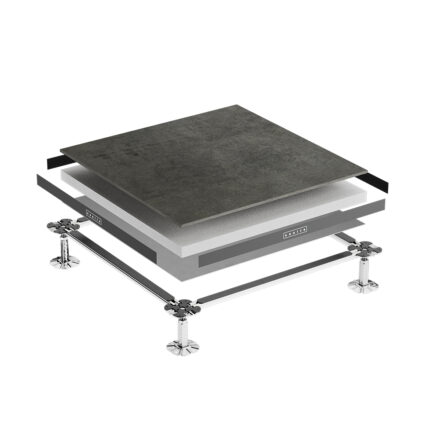
The ceramic/porcelain stoneware raised floor offers a wide range of colors and sizes, with solutions which can satisfy the contemporary taste for modern spaces but also recreate the warmth of most classic environments similar to natural materials (wood and marble).
Structures
MPH
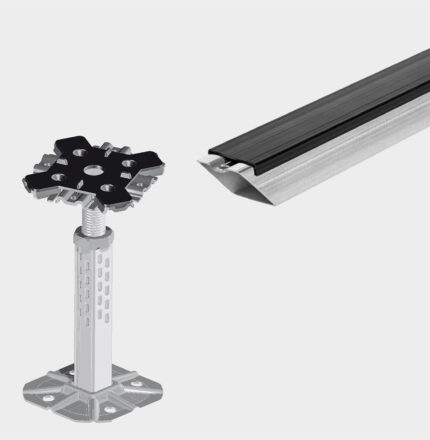
The substructure with closed rectangular stringers allows to reach high loads and thus becomes the ideal solution for technical rooms and high traffic areas.
Panels
Calcium Sulphate
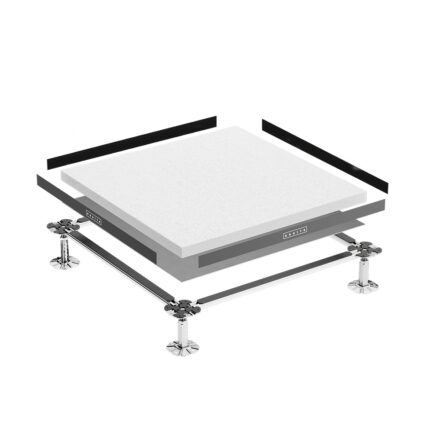
Nesite uses very high density calcium sulfate (1600 kg/m3). Calcium sulphate panels are available in different thickness options: PG1 - PG2 - PG3 - PG6
Other
projects
All Projects
Athesys
From a simple "option" to an ethical and conscious choice, sustainability really matters today and Athesys, with the renovation of its headquarters, wanted to give a real demonstration of this.
IVORY MILAN (work in progress)
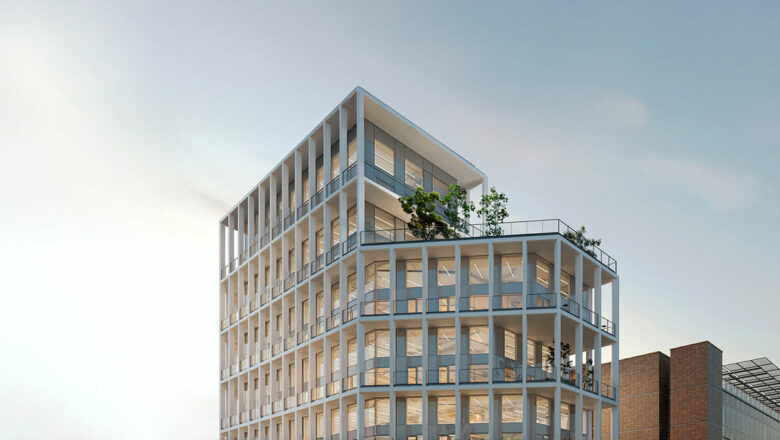
In the heart of Milan, between San Siro and City Life, rises Ivory, an urban regeneration project that transforms a 1950s industrial building into a modern office complex. Designed by the Piuarch studio and financed by COIMA, the project is an outstanding example of sustainable architecture and innovative design, featuring flexible and high-performance workspaces. THE
Thélios HQ, Longarone
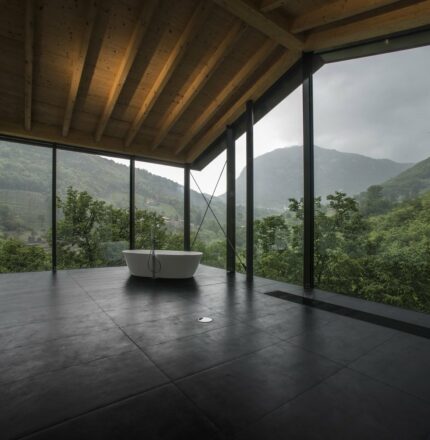
The particularity of the project lies in the installation, in certain areas, of a customised product based on precise aesthetic characteristics foreseen by the project design.