Product
Ceramic stoneware
MPH
Application
Interno
Location
Rome (RM)
Contractor
Metro C S.C.p.A.
Design
Client: Roma Metropolitane S.r.l.
Total Area
200.000m2
Year
2025
Home / Projects / Directional / Metro C Rome
A metro line that is not just infrastructure, but a bridge between past, present, and future.
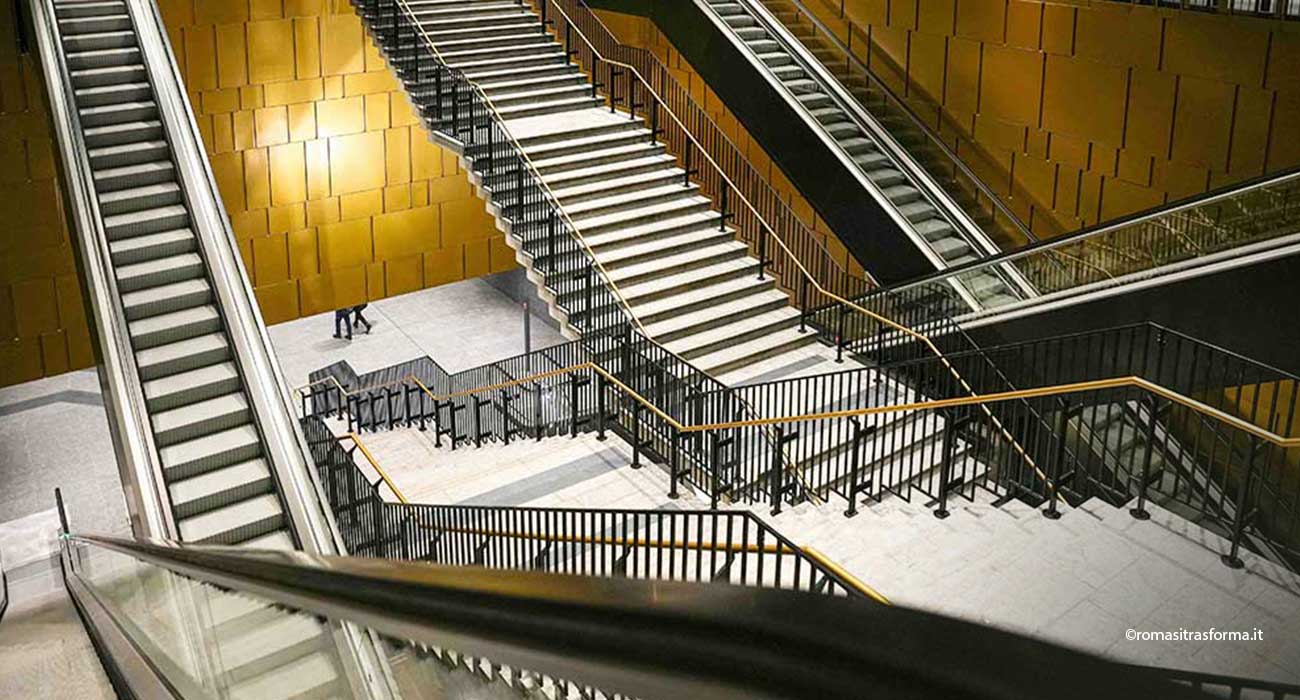
Rome’s Metro Line C is one of the most ambitious urban mobility projects in Europe: a work that connects the city’s south-eastern suburbs with the historic center, crossing an underground landscape layered with centuries of history and archaeology.
THE PROJECT
Metro C was conceived to redefine mobility in the Italian capital, reducing surface traffic and improving urban accessibility by linking previously underserved neighborhoods with the tourist and cultural heart of Rome. It is the third line of Rome’s metro system and the first to be fully automated, operating without onboard drivers and equipped with state-of-the-art technology to ensure efficiency, safety, and high service frequency.
With over 25–29 km of track and nearly 30 planned stations—both operational and under construction or planning—Line C represents a strategic artery for the city, capable of integrating advanced technology with respect for the historical context.
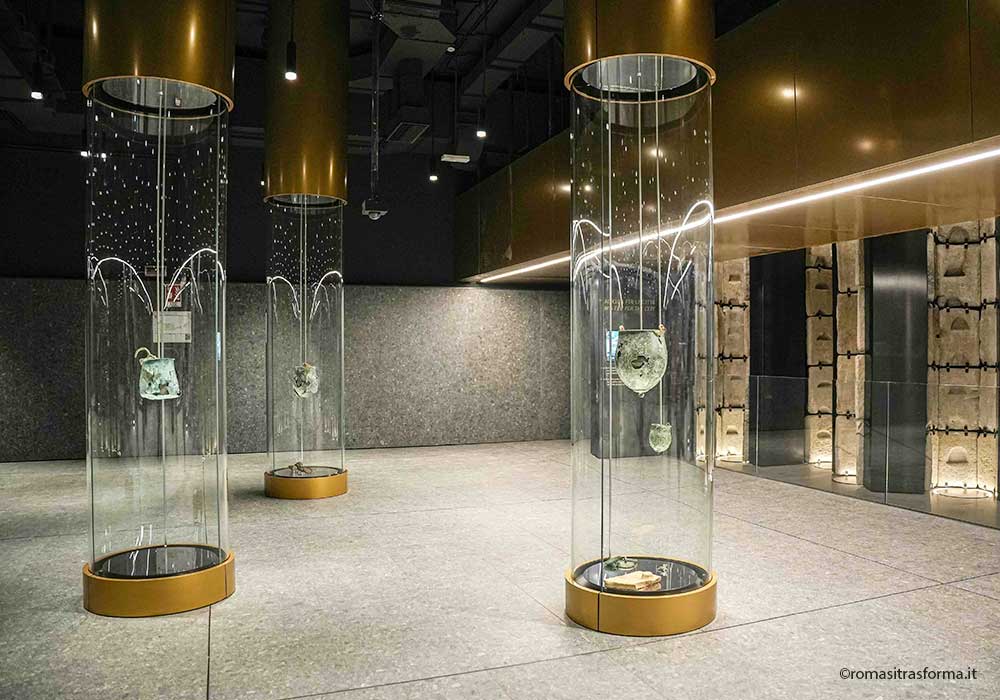
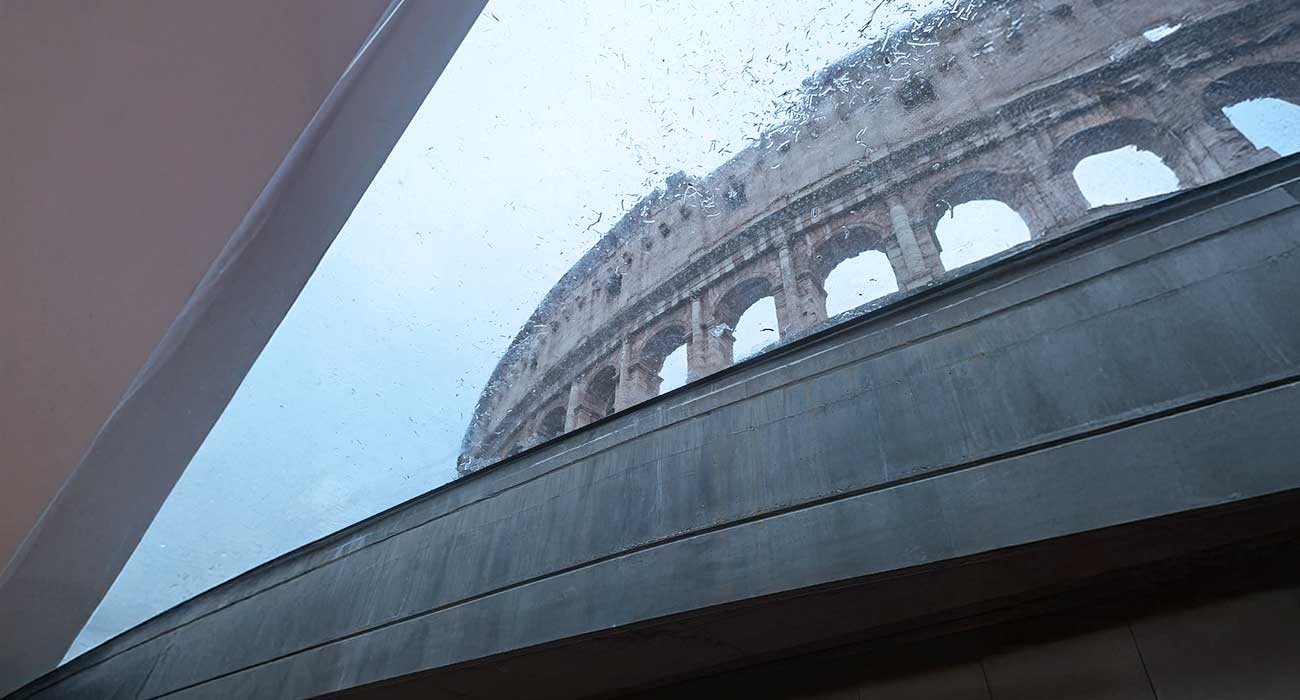
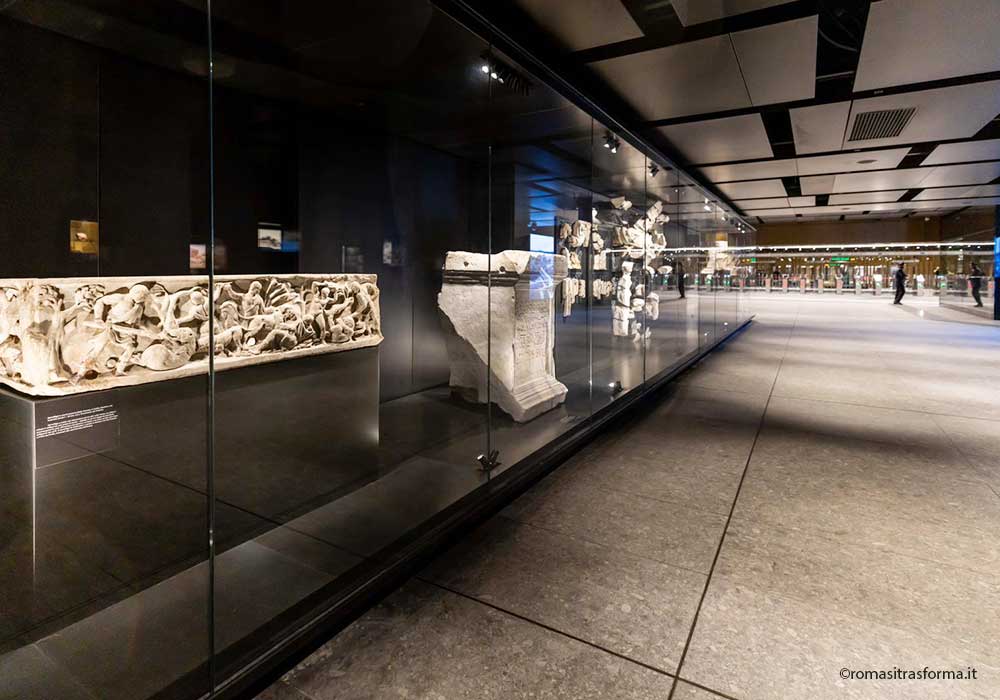
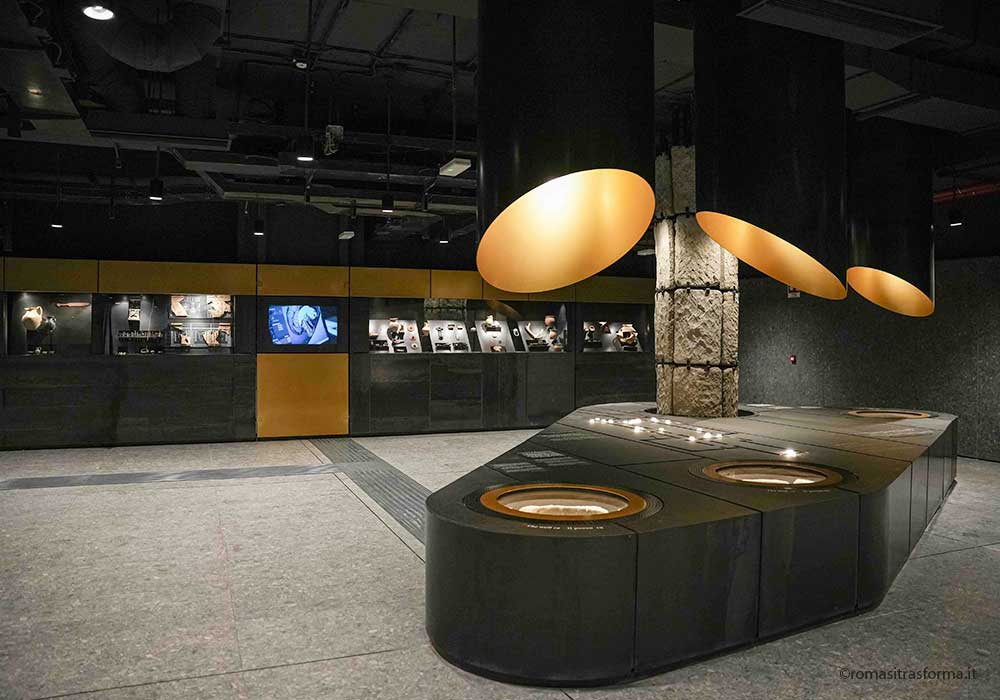
A distinctive feature of the project is its “archaeo-stations”: spaces designed to preserve and showcase archaeological finds uncovered during excavation works, transforming stations into places of connection between contemporary engineering and cultural heritage. This approach interprets infrastructure not only as a functional work, but as an active part of the city and its collective memory.
WHY THE RAISED FLOOR
Within a highly technological infrastructure such as Metro C, raised access flooring plays a crucial role in managing systems and ensuring the functionality of technical spaces.
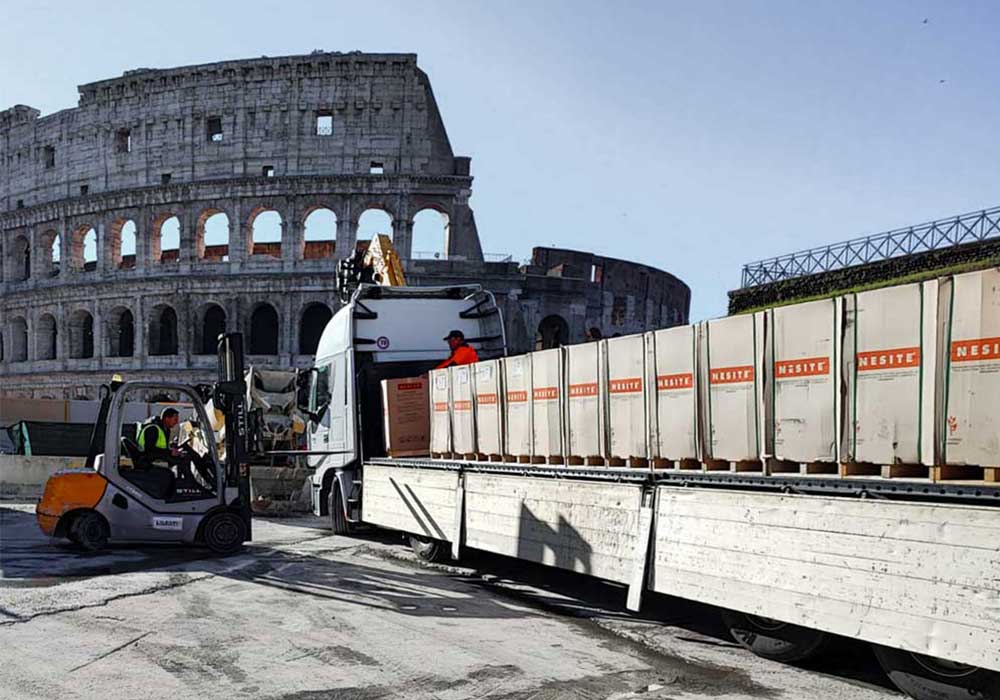
Nesite supplied the raised flooring for the entire new section of the line, installed in 24 stations. These solutions were mainly adopted in the technical rooms of twelve stations along sections T4, T5, and T6A, where line control and automation systems are concentrated.
Raised flooring allows for the orderly and accessible installation of building services, supporting the infrastructure for managing and controlling the fully automated railway traffic system (ATC/ATO). This design choice ensures flexibility, ease of inspection, and long-term operational continuity.
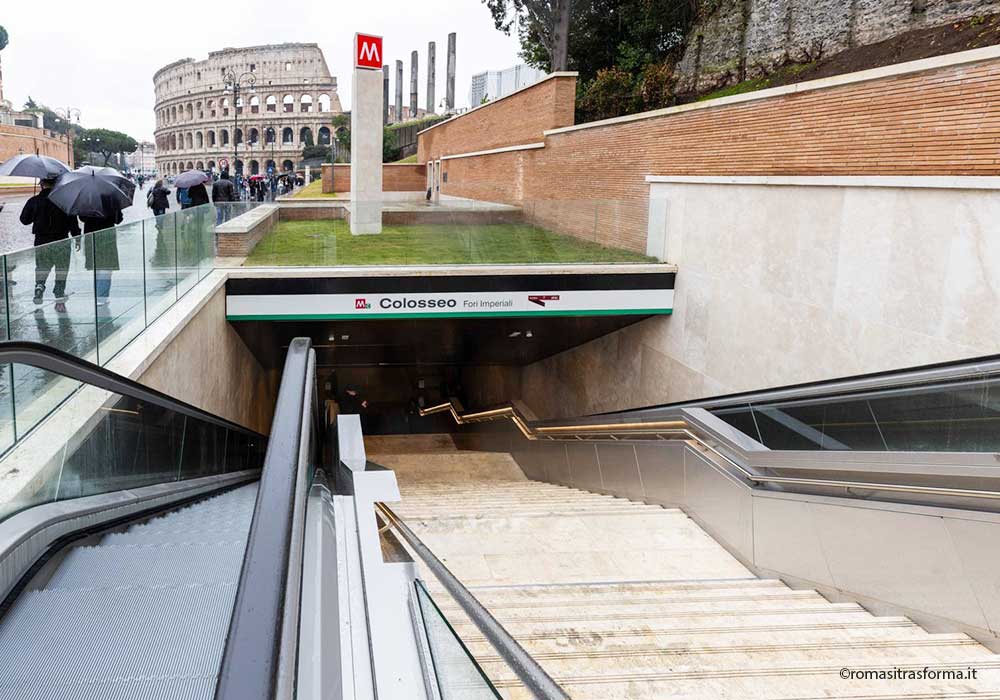
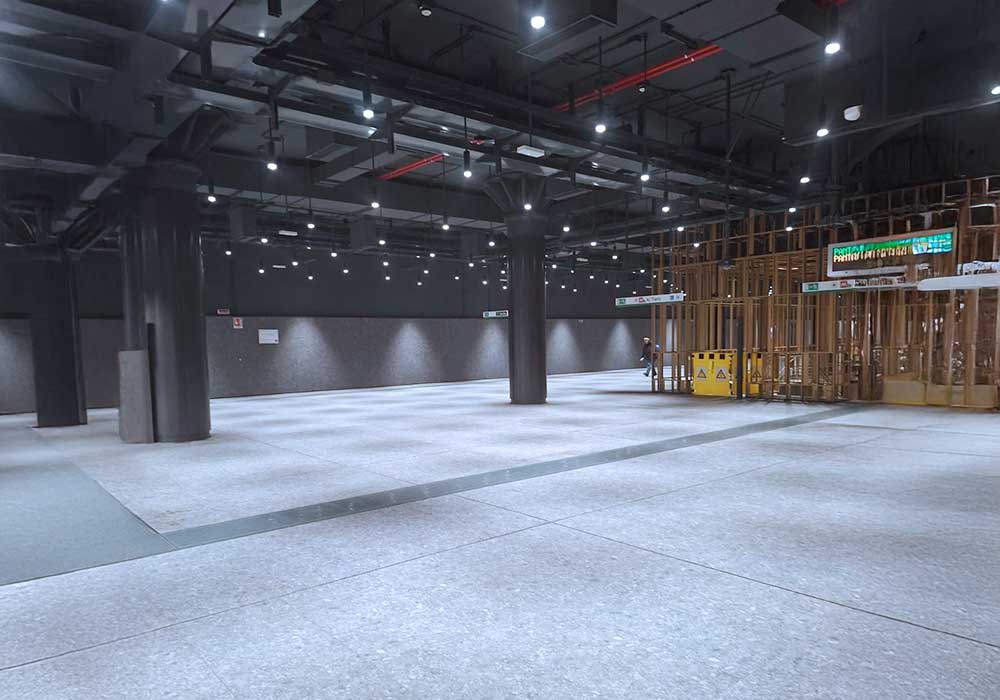
In newly opened stations such as Porta Metronia and Colosseo–Fori Imperiali—characterized by depths of between 30 and 32 meters and complex layouts over multiple underground levels—raised flooring becomes a key element in managing technical systems across different subterranean levels.
The same requirement applies to functional shafts along the route, such as the Via Sannio shaft or the Celio Shaft—among the deepest in Italy—where accessibility and maintenance of systems are essential for the safety and operation of the infrastructure.
SUPPLY DETAILS
20,000 sqm of raised flooring for technical rooms, with porcelain stoneware finishes and heights of up to 80 cm to allow easy routing of cables and pipelines.
Products in this project
All Products
Finishes
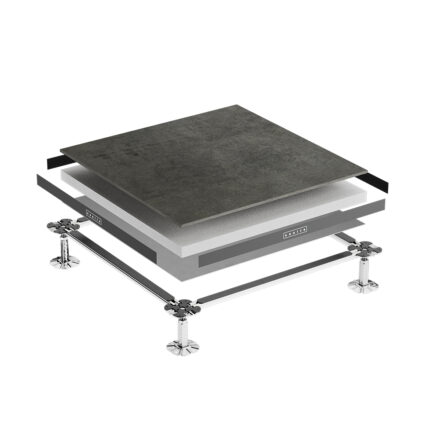
Ceramic stoneware
The ceramic/porcelain stoneware raised floor offers a wide range of colors and sizes, with solutions which can satisfy the contemporary taste for modern spaces but also recreate the warmth of most classic environments similar to natural materials (wood and marble).
Structures
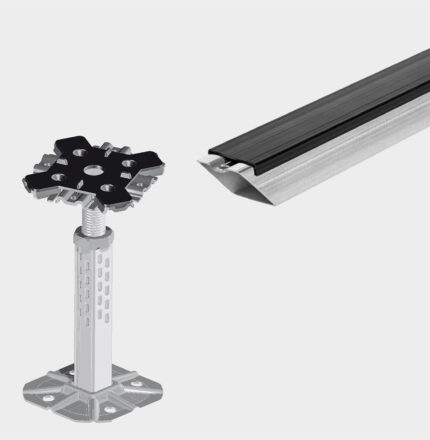
MPH
The substructure with closed rectangular stringers allows to reach high loads and thus becomes the ideal solution for technical rooms and high traffic areas.
Other
projects
All Projects
Redevelopment of former Richard Ginori area, Milan
Flexibility, quality of the production chain and use of certified and sustainable materials, Nesite's raised floor meets the values and principles of the project, designed to reduce polluting emissions and water and energy consumption, using 100% renewable sources.
25 Hours Hotel Florence
The Nesite raised floor in the “design circle” of the 25 Hours Hotel in Florence, a project-narrative inspired by the Divine Comedy, inside the former Monte dei Pegni redeveloped after years of abandonment. The Project The Divine Comedy in GLA Architettura’s architectural renovation and Paola Navone’s interiors. A tale of lightness, irony and great creativity,
BASSI BUSINESS PARK
Bassi Business Park, one of the largest urban redevelopment projects underway in Milan, is the new complex of buildings with high energy and environmental performance, which will lead to the recovery of more than 70,000 square metres of built area. The project includes the use of Nesite raised floors, a functional and ethical choice related